Rapid Recovery Solutions from Green Restoration Water Damage Specialists
Professional Water Damage Restoration Services: Rapid, Dependable, and Budget-Friendly Answers
Water damage can occur without warning, leaving homeowners in distress. Professional restoration companies provide a structured response to these crises. With trained professionals and advanced equipment, they provide timely solutions to reduce damage. Comprehending the origins and effects of water intrusion is essential. As homeowners consider their choices, they may find themselves contemplating the vital steps and considerations involved in effective restoration. What should they know before making a choice?
How to Handle Water Damage Immediately
Confronting water damage calls for swift intervention. The early procedures can greatly minimize the impact on property and belongings. First, one should turn off the main water supply to avoid further flooding. Next, power supply should be disabled to avoid potential hazards. Removing standing water swiftly is crucial; this may entail using a wet/dry vacuum, mops, or buckets.
When the bulk of the water is eliminated, the affected area should be fully dehumidified. Cracking open windows and turning on fans can improve airflow, supporting the drying effort. It is also sensible to remove any water-soaked items, such as carpets or furniture, to ward off mold growth.
Ultimately, capturing the damage with images can be useful for insurance documentation. By taking these immediate actions, one can help minimize the long-term effects of water damage and prepare for professional restoration services.
Understanding Moisture Harm Origins and Effects
Several factors can cause water damage, each with different outcomes. Common causes comprise burst pipes, heavy rainfall, and appliance failures. For instance, a sudden pipe rupture can flood an area, leading to immediate structural damage and potential mold growth if not addressed promptly.
Additionally, roof leaks from aging shingles or faulty installation can lead to major internal damage over time. Excessive moisture not only threatens the integrity of buildings but can also compromise electrical systems, posing safety hazards.
Flooding from external sources, such as nearby rivers or water management problems, can further exacerbate the situation, often necessitating costly repairs and extensive restoration efforts.
Comprehending these causes is imperative for property owners and facility managers likewise, as it reinforces the importance of proactive maintenance. Failing to address water intrusion can create lasting structural problems, mold-related health problems, and ultimately, escalated financial costs.
The Complete Flood Damage Remediation Steps
Water damage restoration encompasses a structured approach to proficiently restore affected areas and mitigate further issues. The process typically begins with a meticulous review to ascertain the extent of the damage and discover the source of water seepage. Then, professionals commence water extraction, utilizing advanced apparatus to remove standing water and minimize humidity levels. When the area is dry, they prioritize on cleaning and sanitizing affected surfaces to expunge contaminants and prevent mold growth.
The repair stage includes repairing or replacing harmed components, such as drywall, flooring, and insulation, guaranteeing that the space goes back to its pre-damage condition. Throughout the process, clear dialogue with property owners is essential to maintain their awareness. Concluding evaluations are conducted to confirm that all repairs meet industry standards, confirming the property is safe and habitable once more. This comprehensive method safeguards against future water damage and maintains the integrity of the property.
Essential Equipment for Optimal Water Damage Repair
Effective water damage restoration relies heavily on specialized tools that improve the effectiveness and outcomes of the process. Key devices consist of moisture meters, which precisely determine humidity levels in different surfaces, guaranteeing thorough drying. Commercial-strength dehumidifiers are essential for eliminating surplus water from the atmosphere, preventing mold growth. In contrast, high-capacity extraction equipment rapidly remove accumulated water, reducing harm to structures and belongings.
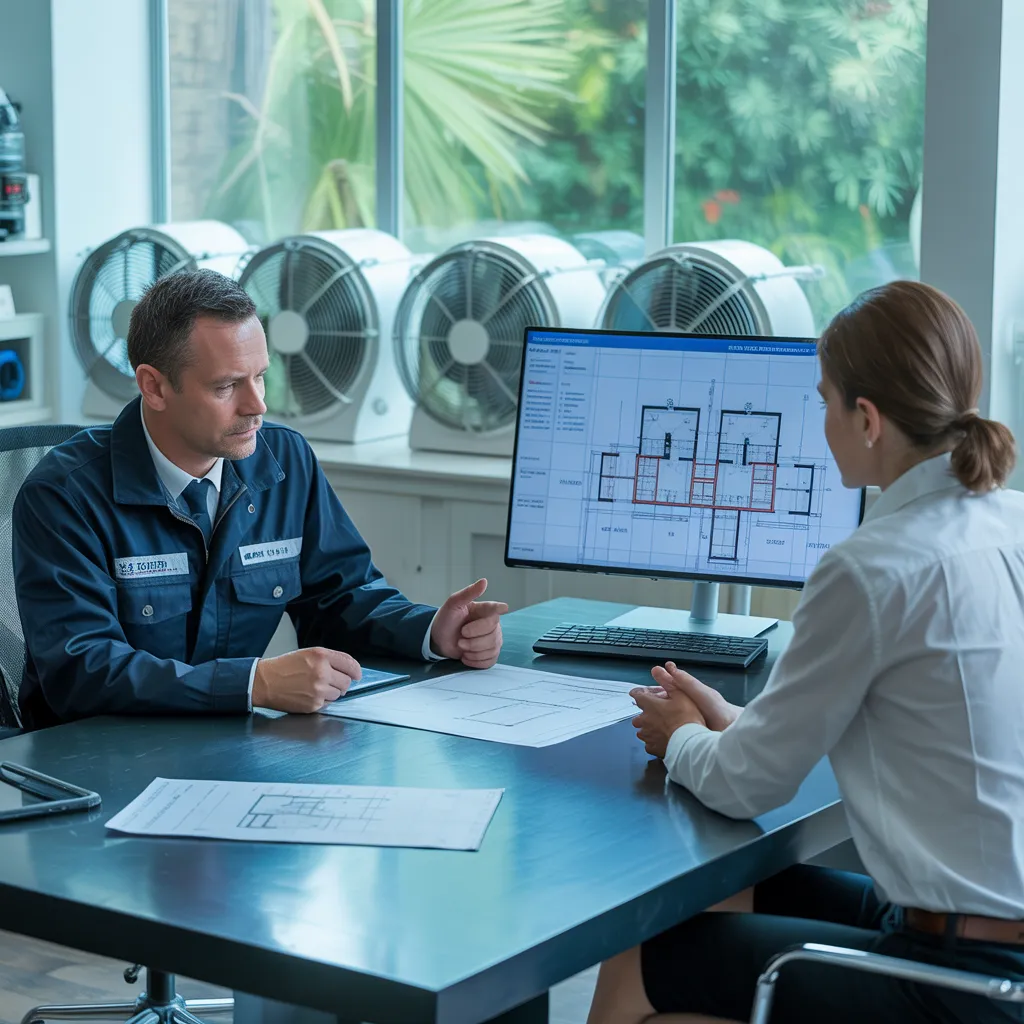
Air fans are critical for promoting airflow and expediting evaporation, while thermal imaging cameras help uncover hidden pockets of moisture behind walls and under floors. These devices, when applied in tandem, establish a thorough restoration strategy, allowing for fast and effective recovery. In addition, protective gear and specialized cleaning agents ensure the safety of both technicians and property. Investing in these tools allows restoration professionals to handle a wide array of water damage scenarios effectively, ensuring peak outcomes for affected properties.
Why You Can count on Water Damage Experts?
When dealing with the aftermath of water damage, homeowners can trust experts for their professional expertise and experience. These experts comprehend the challenges related to examining and tackling water damage, permitting them to promptly locate the professional tips root causes and likely dangers. Their rigorous instruction supplies them with the competencies required to apply state-of-the-art tools and procedures for effective repair.
Additionally, water damage professionals are knowledgeable about the latest industry standards and best practices, ensuring that the recovery procedure is safe and effective. They also have the ability to navigate insurance claims, assisting homeowners increase their coverage and reduce out-of-pocket expenses.
Additionally, their dedication to quick responses means that they can mitigate further damage, reducing the overall impact on the property. By engaging with water damage repair experts, homeowners achieve confidence, knowing that their property is in skilled care and that the restoration will be handled with professional skill and attention.
Factors Impacting Water-Related Damage Remediation Expenses
There are several elements that determine the costs involved with water damage restoration, impacting both the range of tasks and overall expenses. The degree of the damage is a primary factor; larger areas affected by water demand more labor and materials. The water source also plays a crucial role—clean water, gray water, and black water require different treatment levels and safety measures. In addition, the type of damaged materials, such as drywall, flooring, or personal belongings, influences total costs. The promptness is another important factor; quicker interventions often reduce expenses by preventing additional damage. Geographic location can also influence pricing, given that labor rates and material costs differ by region. Lastly, any necessary structural repairs or replacements will increase total expenses, emphasizing the importance of thorough assessments when estimating restoration costs.
Selecting the Appropriate Water Damage Recovery Company
What approach can property owners use to guarantee they pick the finest water damage restoration company? First, they should verify the company's qualifications, ensuring it is certified and insured. This shields against risk and establishes the business complies with industry requirements. Next, they should seek reviews and endorsements from past clients, which supply details into the company's trustworthiness and effectiveness.
Homeowners can question about the company's proficiency in handling similar water-related issues situations. A firm with a strong background can often respond more expeditiously. Additionally, it's prudent to ask about the equipment and techniques used; modern technology can greatly affect restoration quality.
To summarize, obtaining multiple estimates allows homeowners comprehend costs and services offered. Transparent communication about the restoration process is critical, as it fosters trust and clarity. By adhering to these guidelines, homeowners can make educated decisions when selecting a water damage restoration company.

Often Sought Questions
How Can I Protect Against Future Moisture Damage in My Property?
To stop future water damage, frequent inspections of plumbing, roofs, and gutters are important. Ensuring proper drainage, patching leaks, and installing sump pumps can substantially lower the risk of moisture infiltration and subsequent damage.
Which Protection Coverage Is Necessary for Water Damage Recovery?
To fully protect water damage recovery, homeowners should get extensive homeowners insurance, ensuring it incorporates specific provisions for water damage. Extra flood insurance may also be critical, subject to the property's location and flood risk.
Can DIY Water Damage Remediation Be Effective and Safe?
DIY water damage fixes can be effective for minor issues, but they may create hazardous conditions and could cause additional harm if not done properly. Professional evaluation is often recommended for significant or complex situations.
What Is the typical duration for fixing Water Damage?
Restoring water damage typically takes between a few days to several weeks, depending on the extent of the damage, the materials affected, and the effectiveness of the dehydration method used by professionals.
What Health Threats Are Linked With Water Damage?
Water damage presents multiple health risks, such as mold growth, which can lead to respiratory issues, allergies, and infections. Contaminated water may also contain pathogens, raising the likelihood of gastrointestinal diseases and other serious health concerns.